
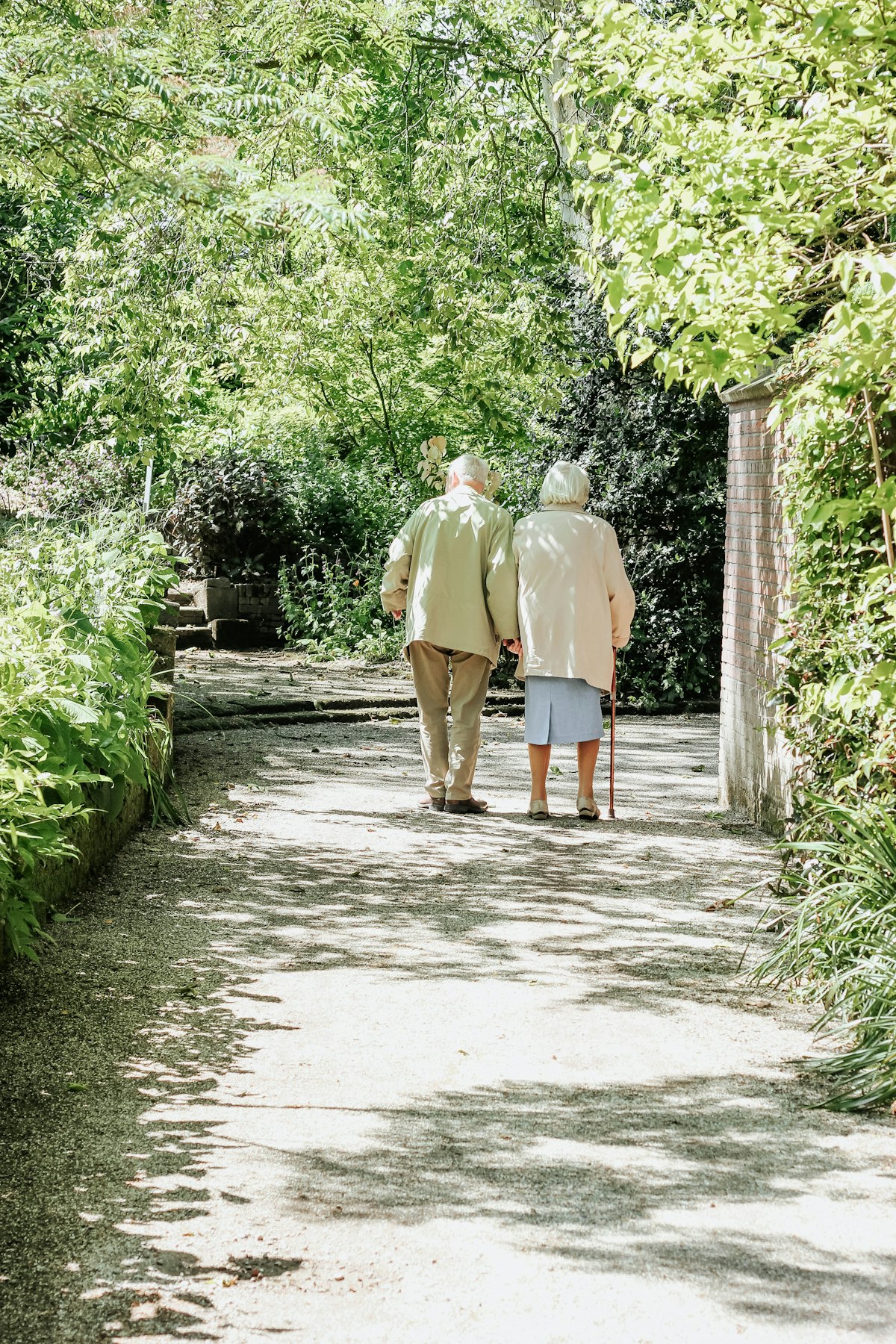
For many elderly people, an ordinary trip can become a real challenge. Understanding these difficulties is the first step toward solutions that actually help.
1. Many elderly people no longer drive
As they age, many people give up driving or no longer own a car. This means they depend on outside help for any trip — from a visit to the doctor to a simple outing in town.
2. Public transport isn't always an option
Even in a city with developed infrastructure like Cluj-Napoca, public transport isn't always accessible for an elderly person: distant stops, steps, crowding or routes that don't lead directly where they need to go. For someone with reduced mobility, these obstacles can be discouraging.
3. Lack of mobility affects health
When getting around becomes difficult, a real risk appears: delaying or interrupting medical treatments. And this directly affects health, especially for chronic conditions that require regular check-ups.
4. Social isolation is a real consequence
Mobility isn't just about access to medical services. It also means the ability to take part in community life — to visit family, attend a religious service or simply get out of the house. Without transport, the risk of social isolation increases.
5. Tailored solutions make the difference
The good news is that these problems have solutions. Transport scheduled in advance, professional drivers used to working with vulnerable people, and a clear organizational process can completely transform the experience of an elderly person.
This is where Move Care comes in. We work together with NGOs, clinics and institutions to identify people who need support and to provide them with safe, dignified and — for the beneficiary — free rides. Because mobility shouldn't be a privilege, but a right at any age.